INTRO: Introduction to the Place
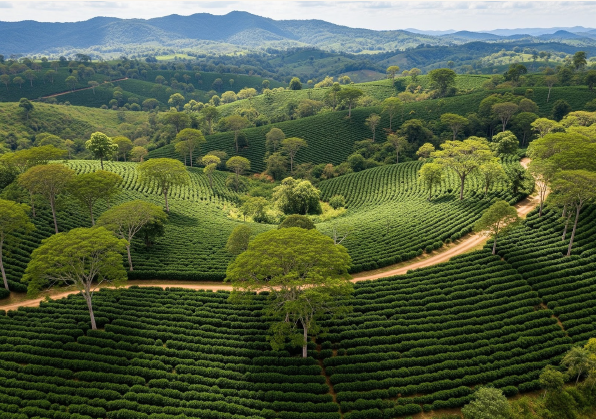
Amidst the mountains and lush forests of Chiang Mai Province lies a small community that has beautifully preserved its traditional way of life.
This is Lochi Chiang Mai, a community enterprise formed by a group of 113 farming households.
The community is home to the Karen ethnic group (Pakakayor), who came together to establish a community enterprise focused on agritourism and traditional lifestyle experiences.
Lochi Chiang Mai operates three main activities collectively: integrated farming, weaving, and homestay services.
To understand why this community can live sustainably in harmony with nature, it is necessary to trace back and learn about the roots of the people here first.
HISTORY: Tribal Background
The Karen tribe (Pakakayor) is one of Thailand’s indigenous ethnic groups.
They have long lived in close connection with forests and water sources. For the Karen people, the forest and rivers are not merely resources for survival—they are integral to their spirit, beliefs, and identity.
This profound relationship with nature has shaped their way of life, values, and traditional wisdom passed down through generations.
From this historical foundation arises a community culture deeply rooted in the genuine conservation of nature.
CULTURE: Community Culture
The culture of the Karen community is founded on the principle of living in balance with nature.
The Karen people hold a belief in the forest spirits, guardians of the forests. This belief instills respect and caution in the community, discouraging harm to the forest.
Before using any part of the forest, they perform religious rituals to seek permission and offer apologies to nature.
In agriculture, the Karen practice rotational farming, moving cultivation areas periodically to allow the soil to recover. After using a plot of land, they engage in reforestation to restore the environment and maintain the ecosystem.
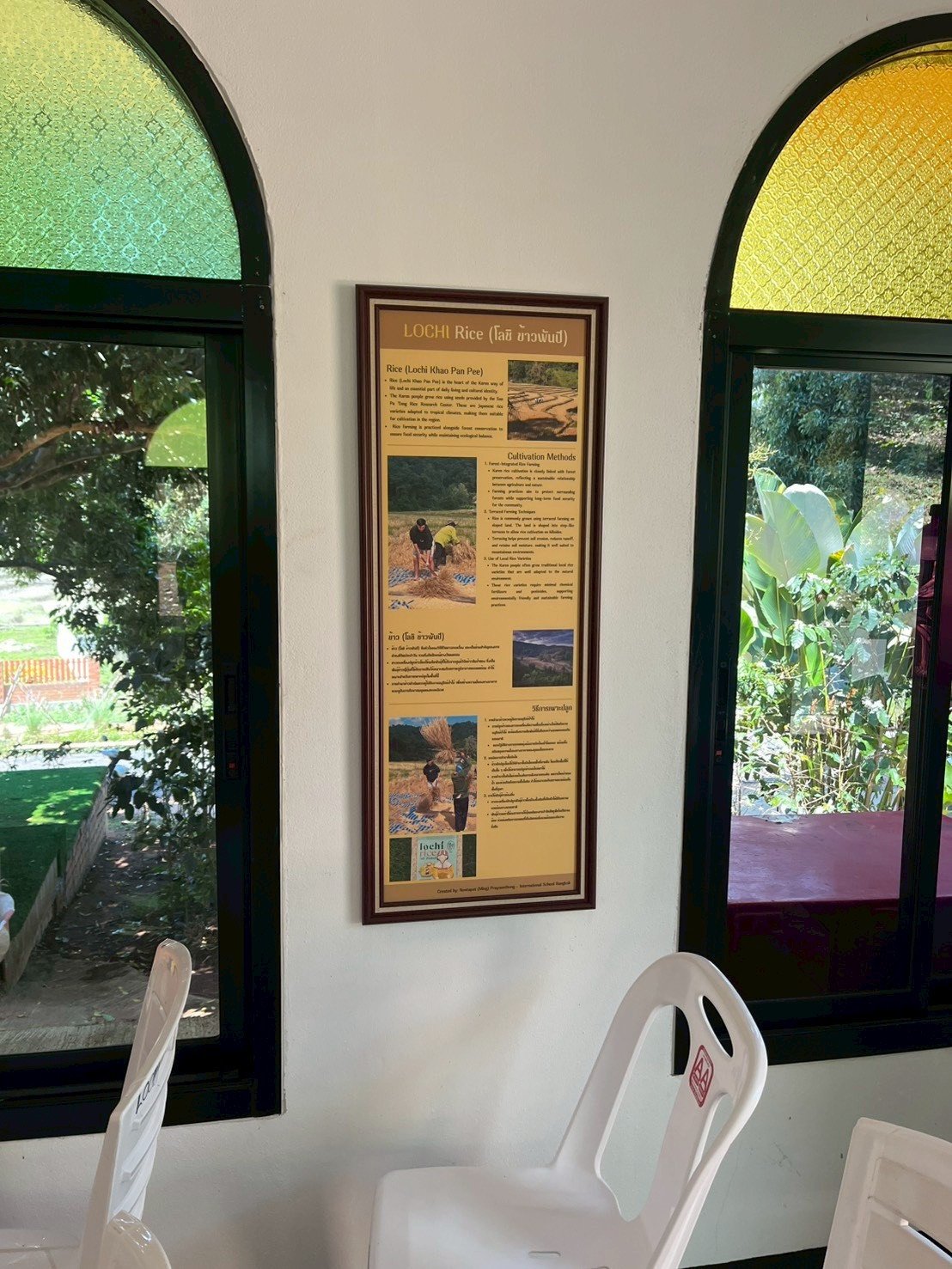
Rice cultivation is commonly done using terraced fields, which help prevent soil erosion and retain moisture. They also favor local rice varieties suited to the environment, reducing reliance on chemical fertilizers and pesticides.
Forests hold great importance as sources of food, water, raw materials, and biodiversity.
By preserving this culture and traditional wisdom, the community has been able to transform their knowledge into activities and products for Lochi Chiang Mai.
PRODUCTS: Community Products
Lochi Chiang Mai develops products from integrated agriculture and local wisdom to generate income while preserving cultural heritage.
The community’s main processed products fall into four categories: tea, coffee, rice, and hand woven fabric, all closely linked to the land, forests, and the community’s way of life.
3.1 Tea
The first tea product is Lochi Tea (Cha Pan Pee).
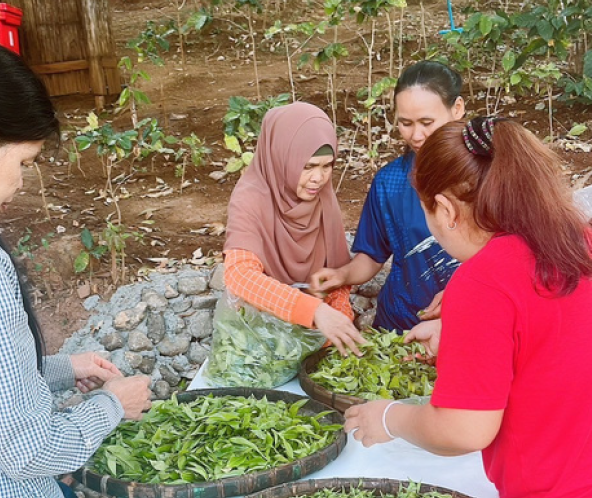
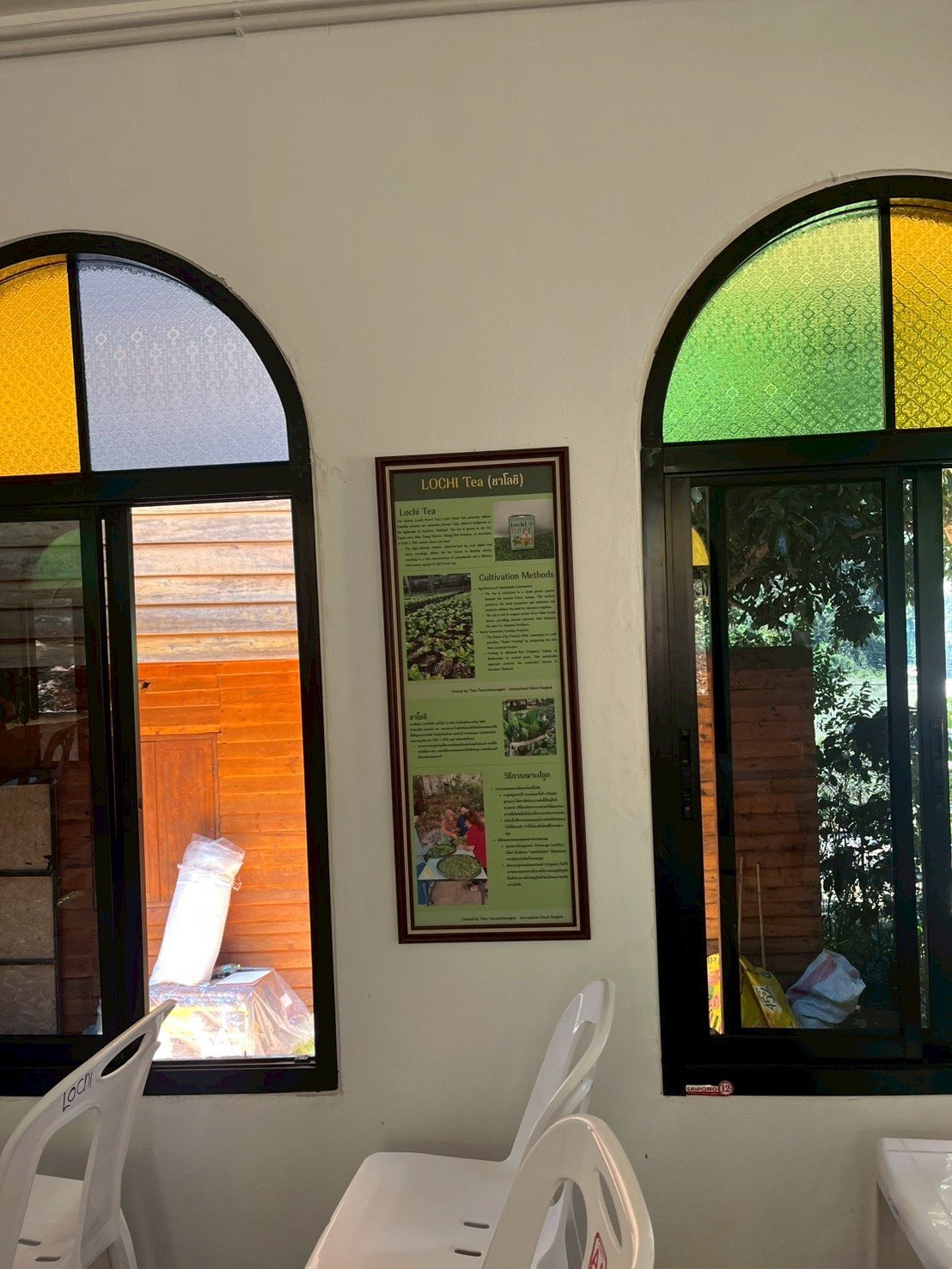
This tea is processed from Miang leaves, transformed into red tea, yellow tea, and green tea.
Tea production relies on traditional knowledge passed down from ancestors, reflecting the close relationship between the forest and the Karen way of life.
3.2 Coffee
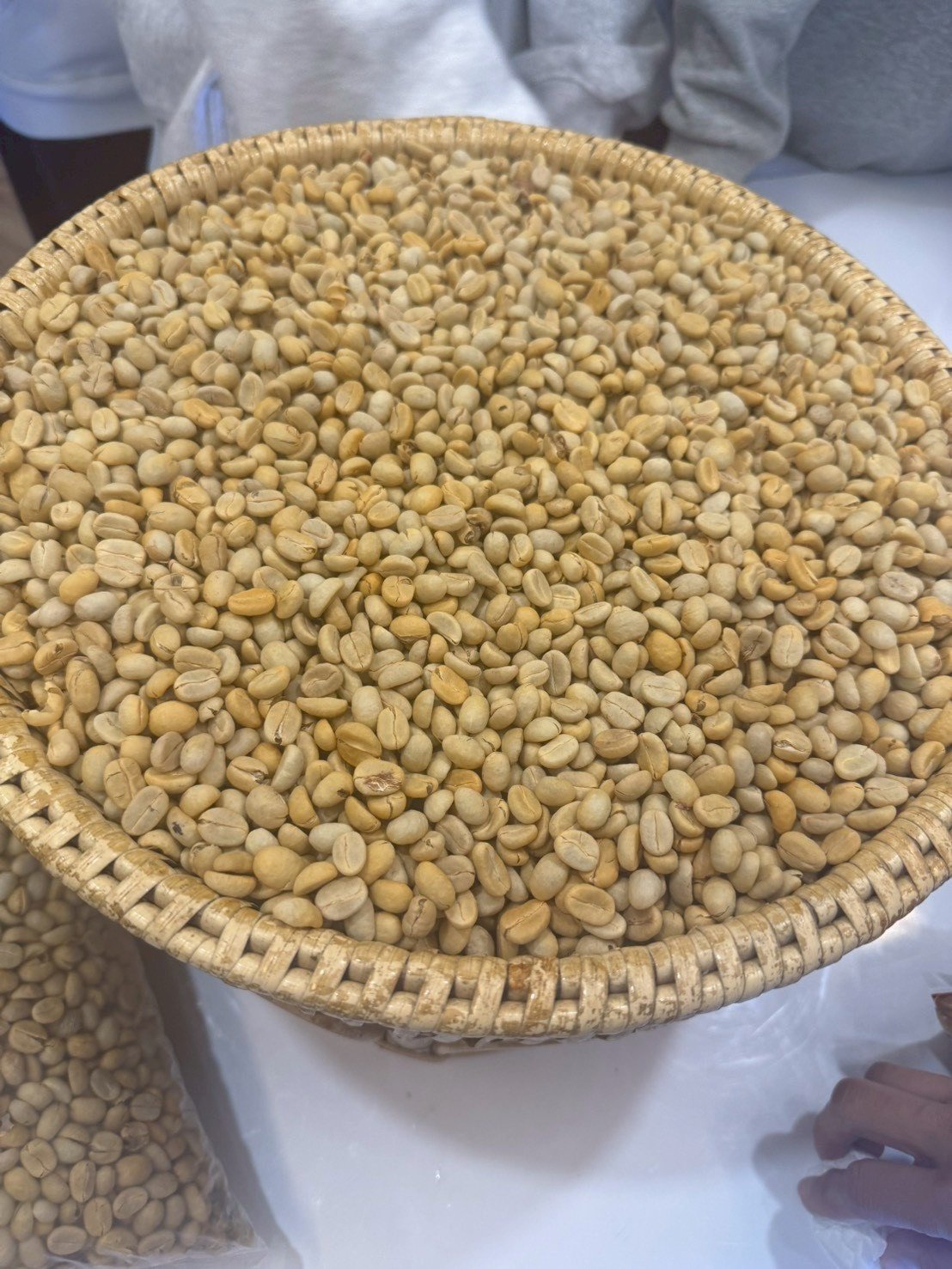
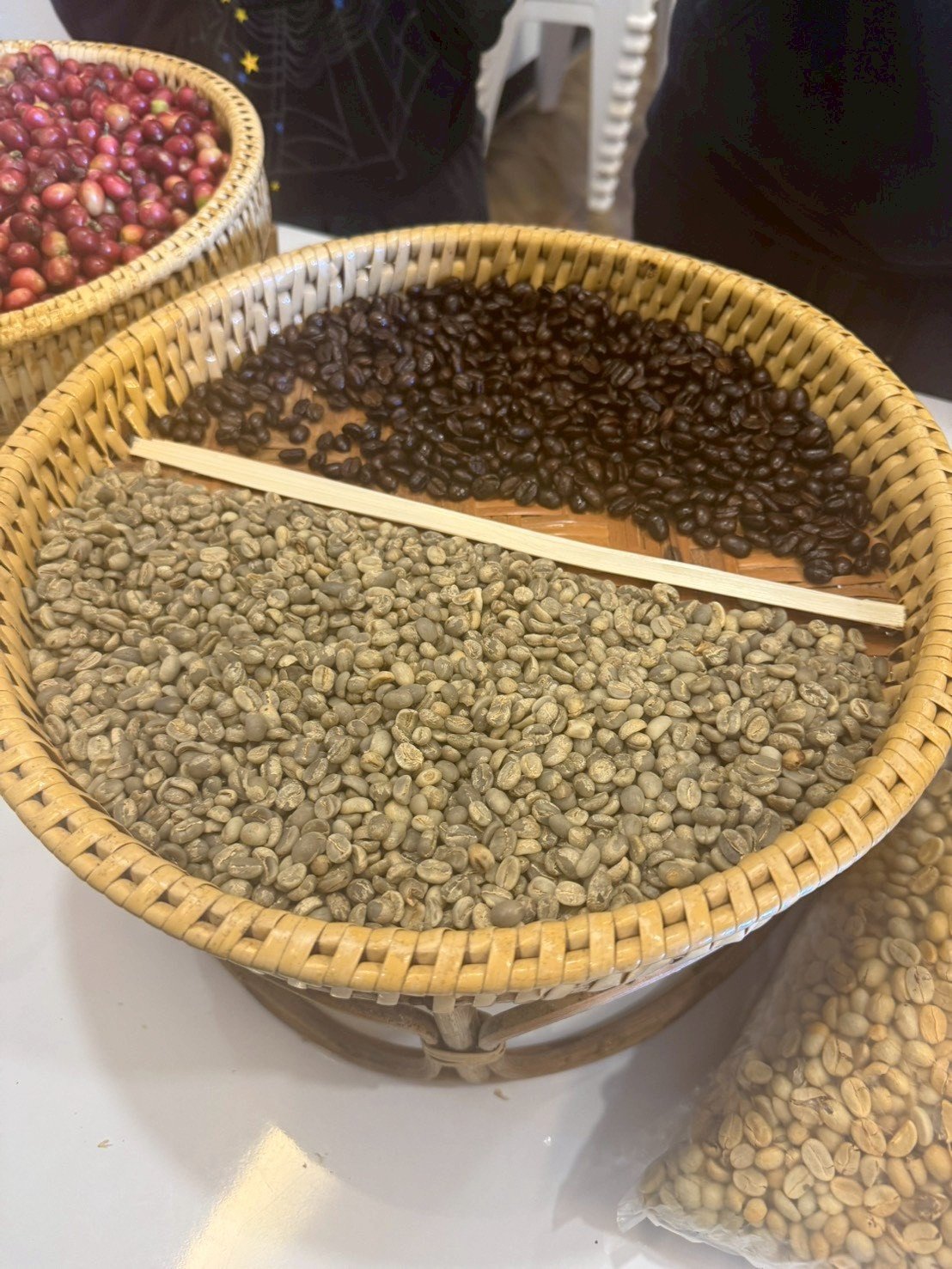
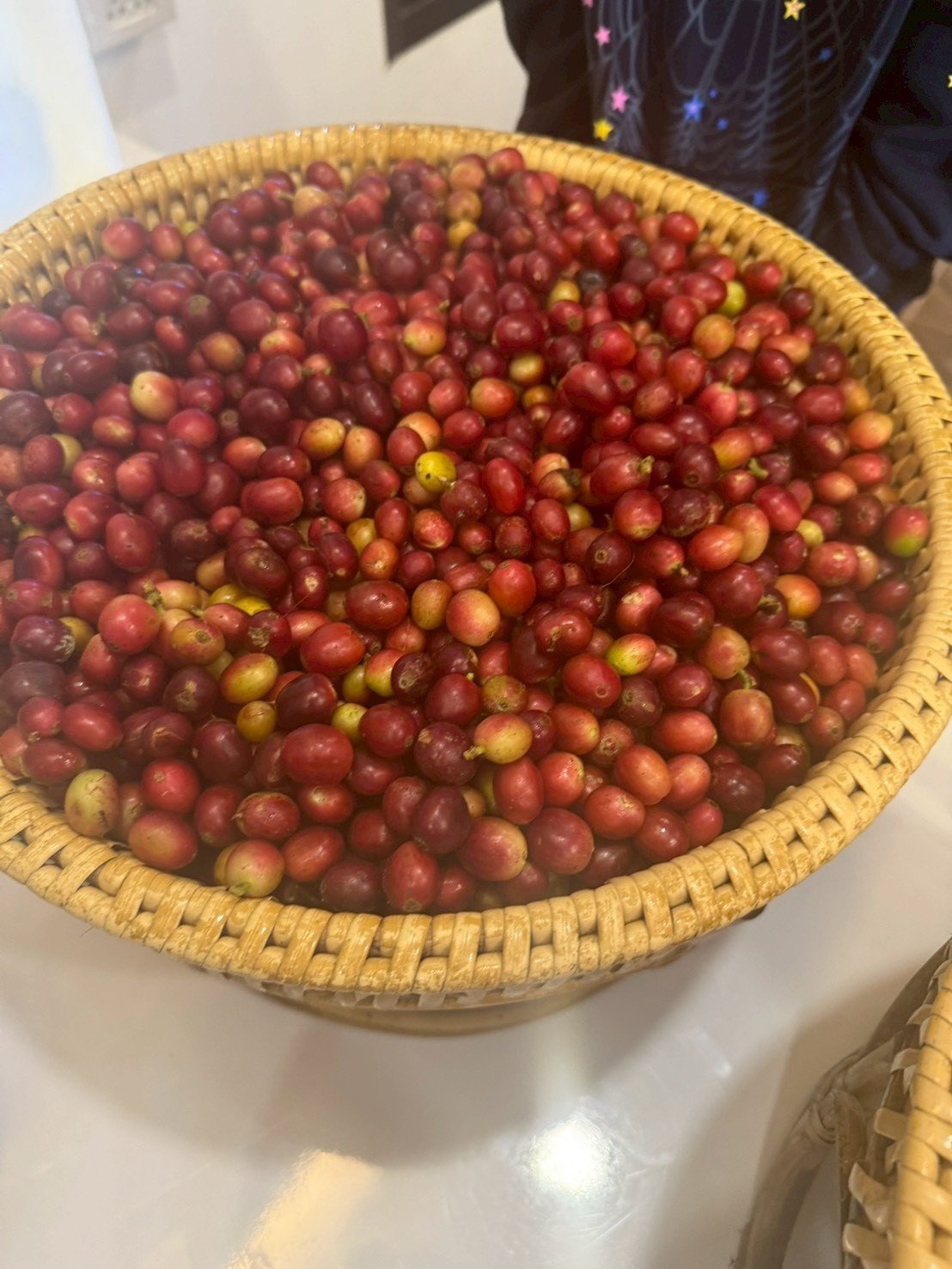
Lochi’s coffee uses the Chiang Mai 80 Arabica variety, promoted by the Fang Agricultural Center.
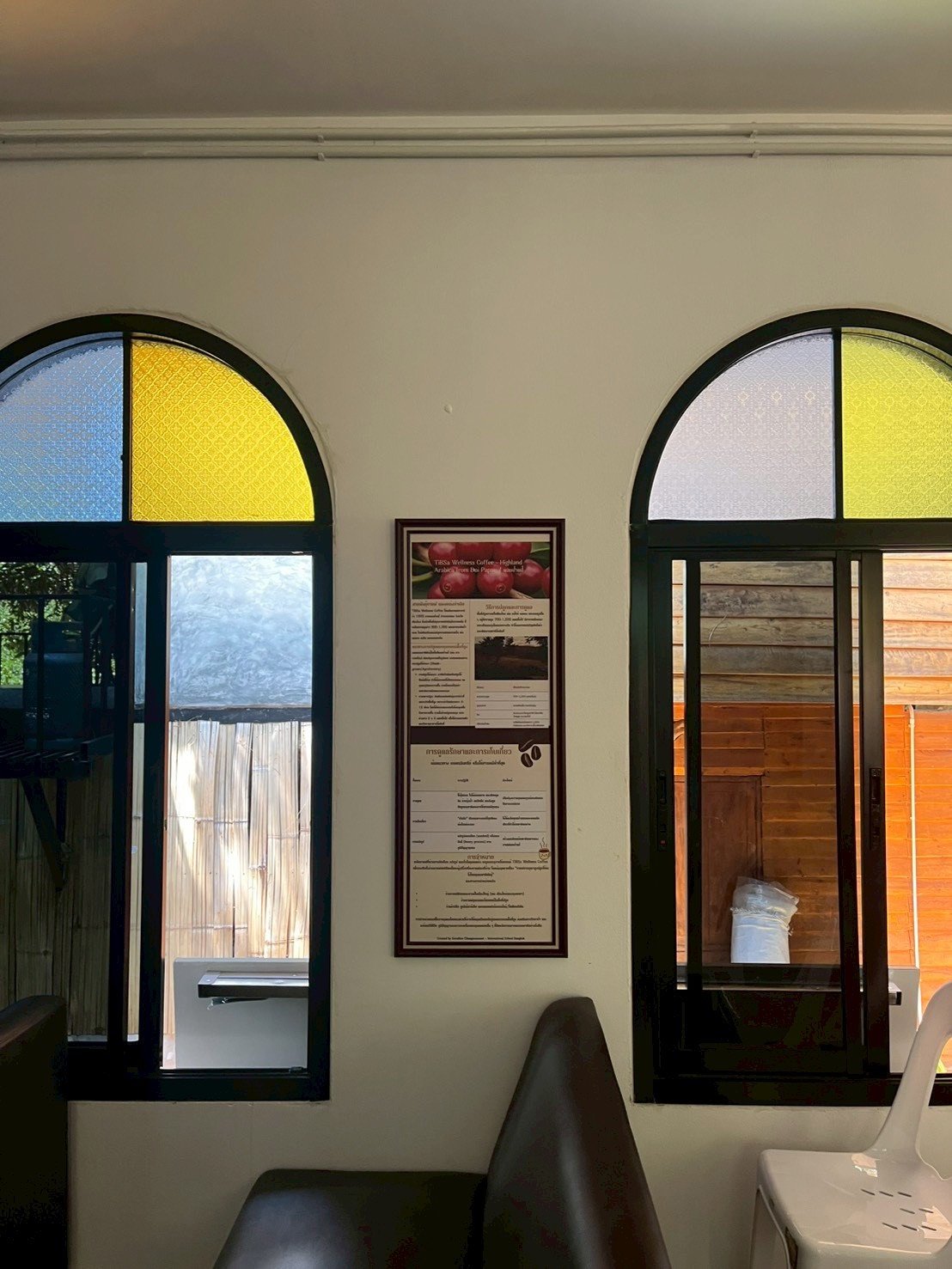
It is roasted at three levels: light, medium, and dark, under the brand TiPsa Wellness Coffee.
This coffee exemplifies the integration of community agriculture with modern agricultural knowledge.
3.3 Rice
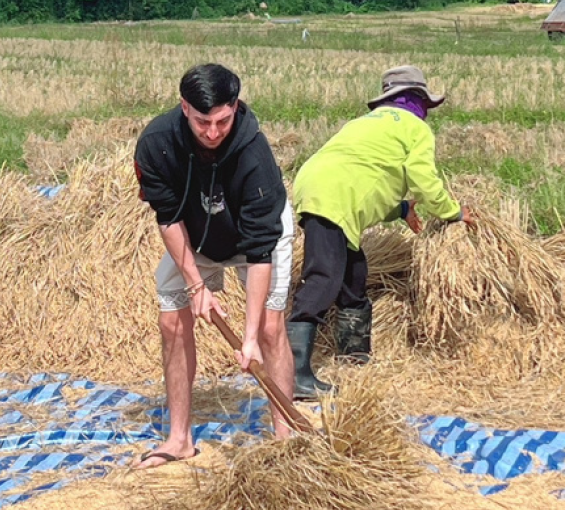
Rice is central to the Karen way of life.
Lochi Rice (Khao Pan Pee) uses seeds from the San Pa Tong Rice Research Center, a tropical Japanese rice variety suitable for local cultivation.
Rice cultivation is practiced alongside forest conservation to ensure food security and maintain ecological balance.
3.4 Handwoven Fabrics
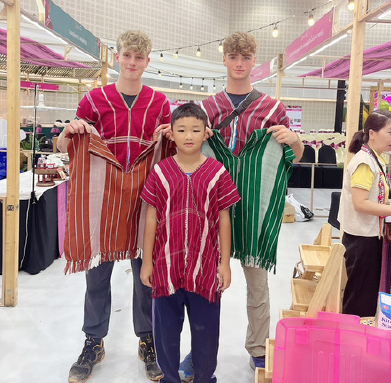
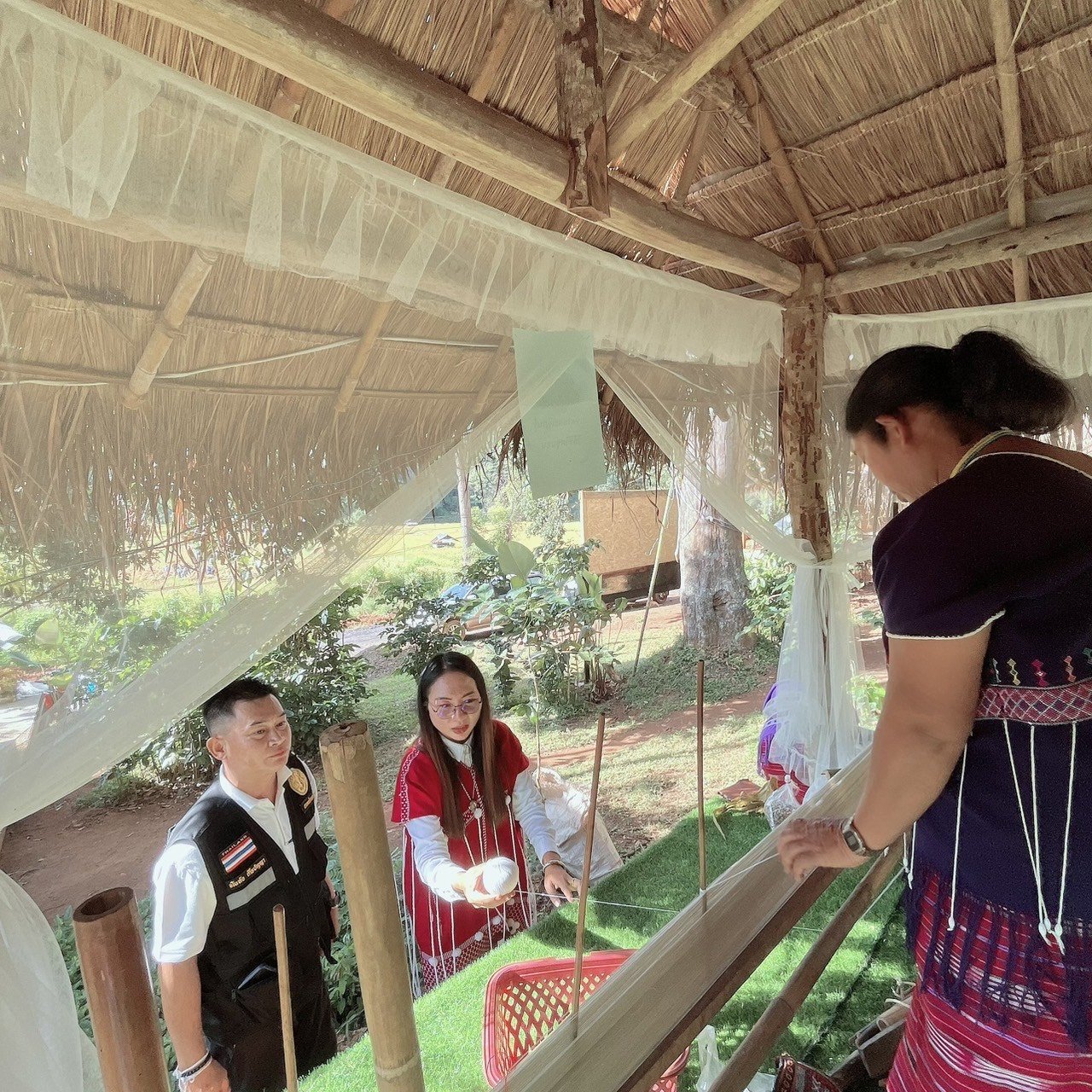
Beyond food and beverages, the Lochi community preserves Karen handwoven textiles, a unique traditional craft.
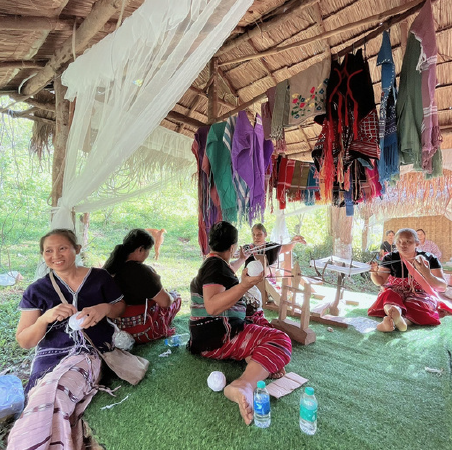
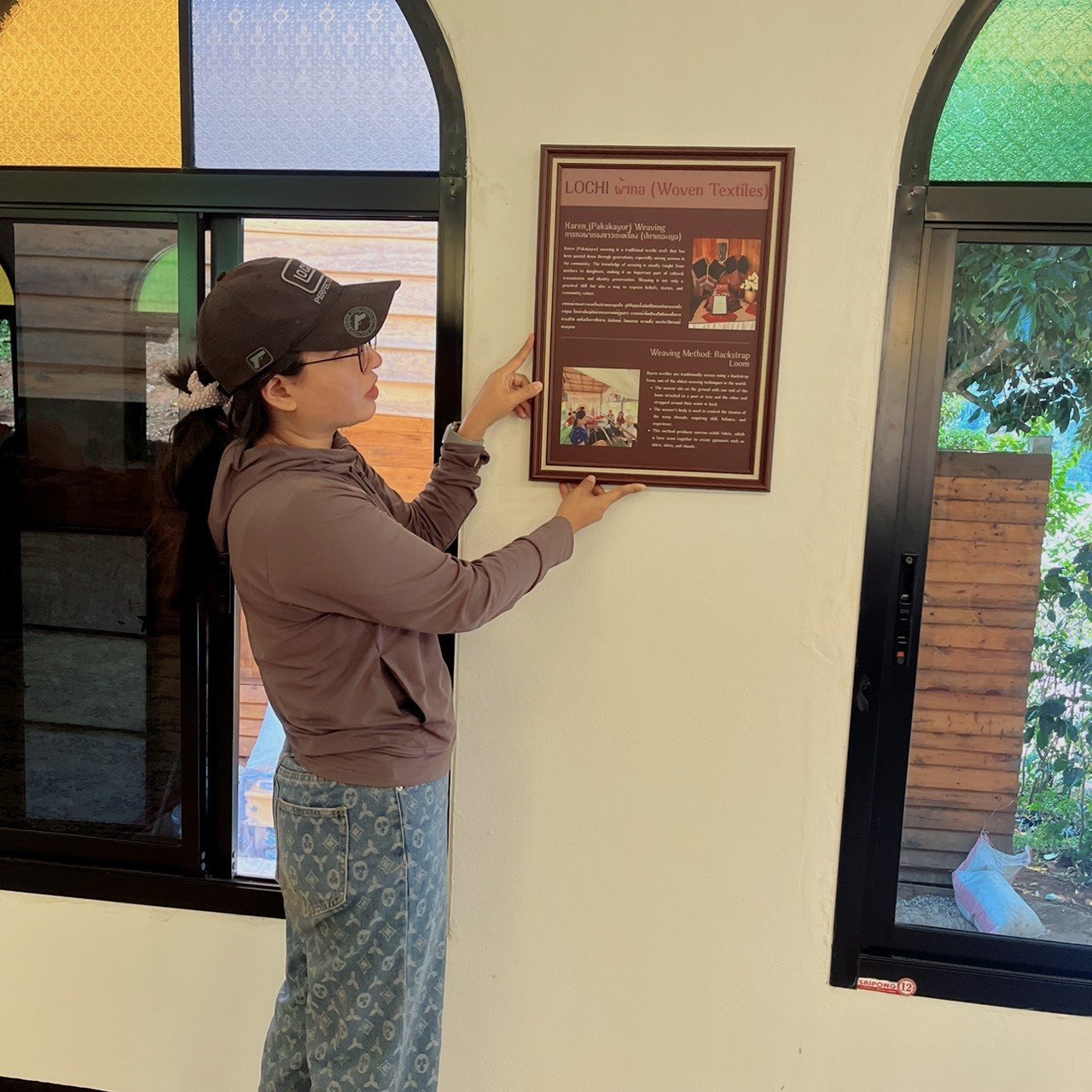
Weaving is done on a back-strap loom, where the weaver sits on the floor and uses their body to tension the warp threads.
This produces narrow fabrics with intricate patterns.
Weaving techniques include: plain weaving, color alternation, supplementary weft weaving, flower pattern weaving, and tied-thread weaving.
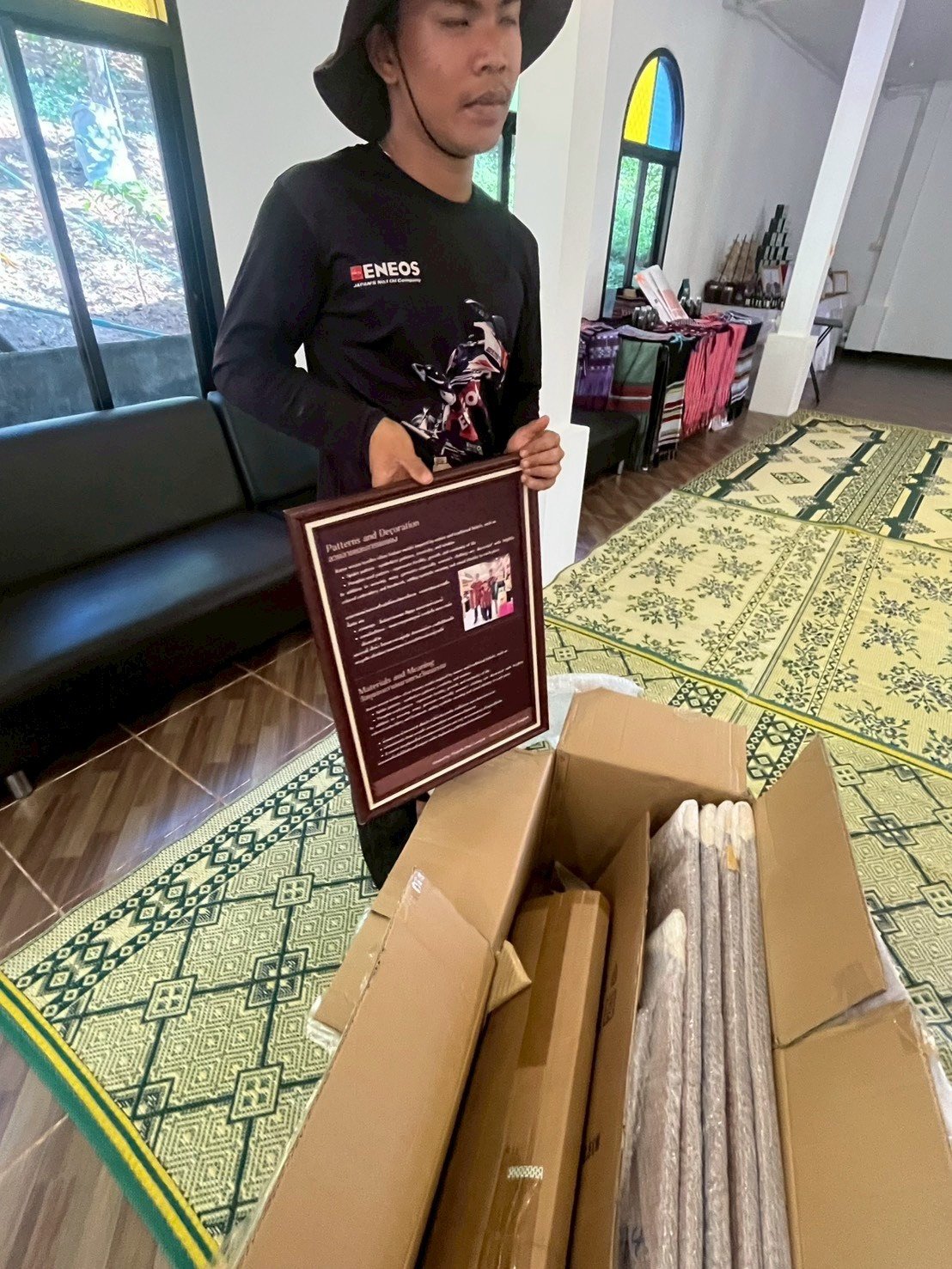
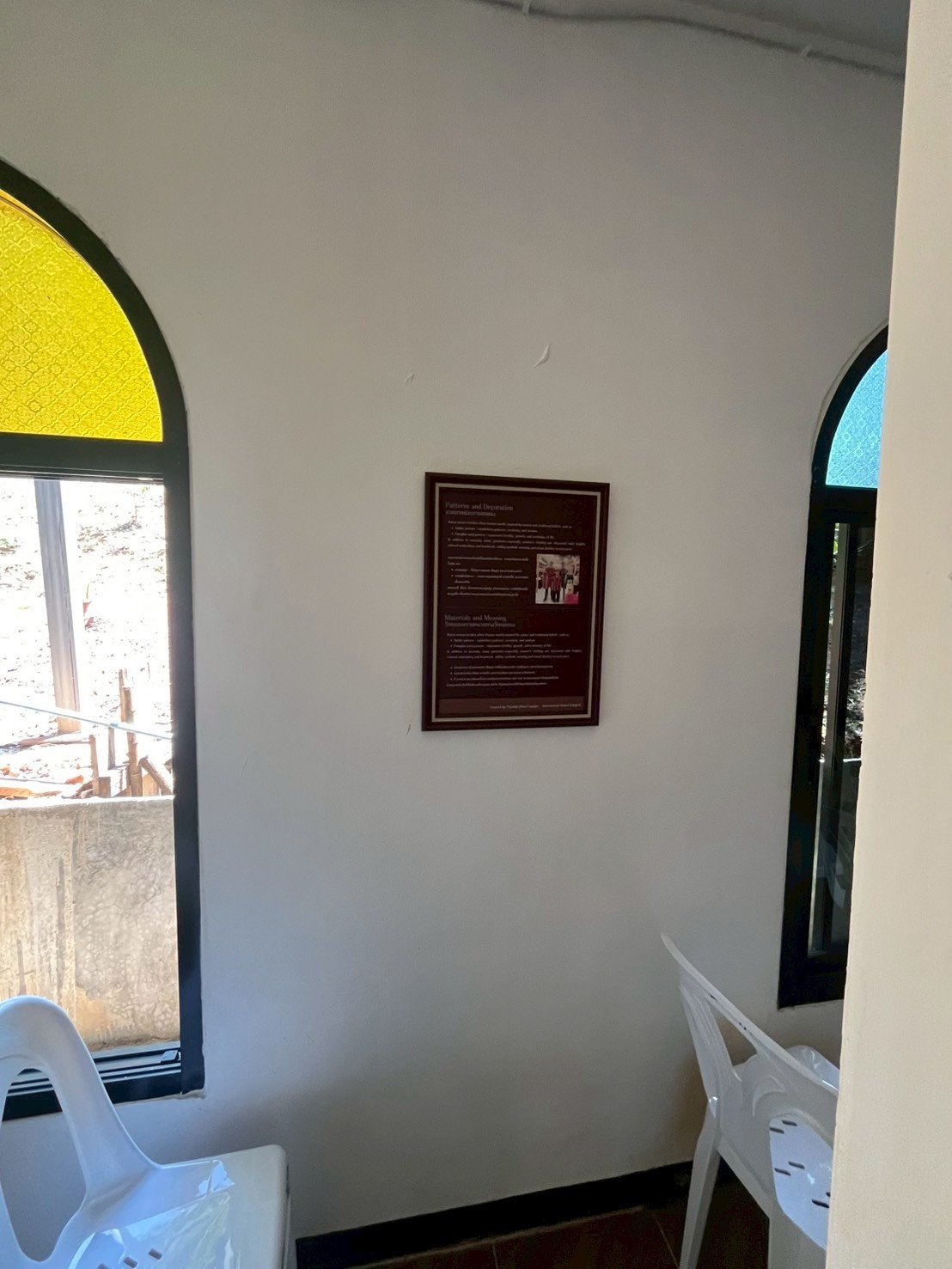
Patterns are inspired by nature and beliefs, such as spider motifs and pumpkin seed designs.
Fabrics are embellished with bright threads and millet beads, particularly along women’s hems.
Most textiles are made from natural cotton, providing comfort and reflecting the wearer’s identity, culture, and social status.
Learning Center
On 22nd December 2025, our group has set up a small permanent exhibition about the way of life of the Karen people in the Lochi community, covering both their culture and local businesses.
The exhibition aims to help visitors learn about the community’s history, agricultural practices, traditional weaving, and various Lochi products, while also promoting the community’s self-sufficiency economy.
HOMESTAY
The final activity of Lochi Chiang Mai is agritourism homestay.
Visitors stay within the community and learn about integrated farming, weaving, and the daily life of the Karen people.
The homestay generates income for the community while providing a space for cultural exchange and mutual understanding between visitors and locals.
CONCLUSION
Lochi Chiang Mai is an example of a community that demonstrates how nature conservation, cultural preservation, and quality of life development can progress together.
The way of life of the Karen people is not just a matter of the past—it provides valuable lessons for our future.